
CarCosting : Car Repair Costs—Explained Before You Pay
Stop guessing at the shop counter. Car Costing helps you understand typical repair price ranges, what drives the bill (parts vs. labor), and what to check next—so you can plan, compare quotes, and avoid surprises.
Car Costing helps you understand car repair and replacement costs with clear price ranges, parts vs. labor breakdowns, and practical tips—so you can compare quotes and budget confidently. We also provide diagrams and part-location guides to make troubleshooting and DIY jobs easier.
Find what you need in 30 seconds:
- Repair Cost Guides – replacement/repair cost ranges, symptoms, and what’s included
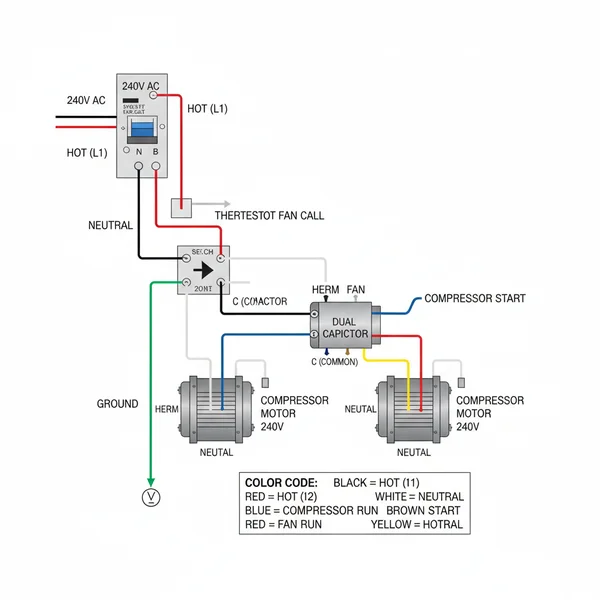
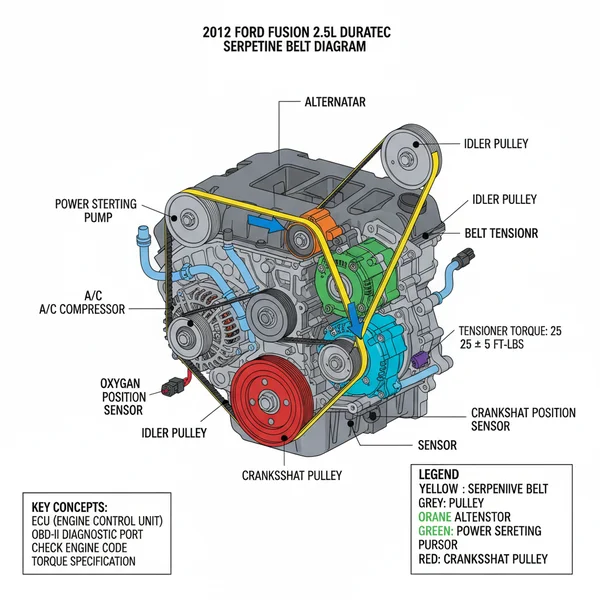
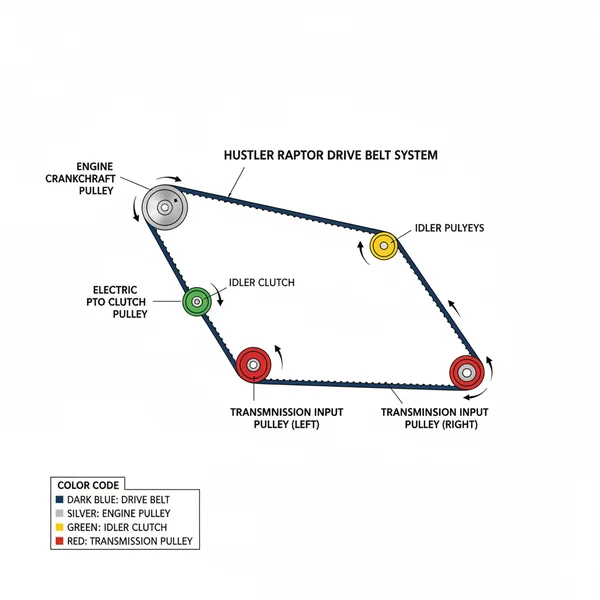
- Diagrams – belt routing, sensor locations, engine layouts, and wiring basics
- Browse by Brand – Ford, Honda, Toyota, Chevy, BMW, Jeep, Nissan, Subaru, Dodge & more
Repair Cost Topics (most searched):
- AC Repair – compressors, evaporators, leaks, and cooling issues
- Brake Repair – pads, rotors, calipers, and braking feel problems
- Engine Repair – thermostats, tune-ups, sensors, leaks, replacements
- Transmission – rebuild vs. replace guidance and price ranges
- Electrical – battery, alternator, wiring and charging problems
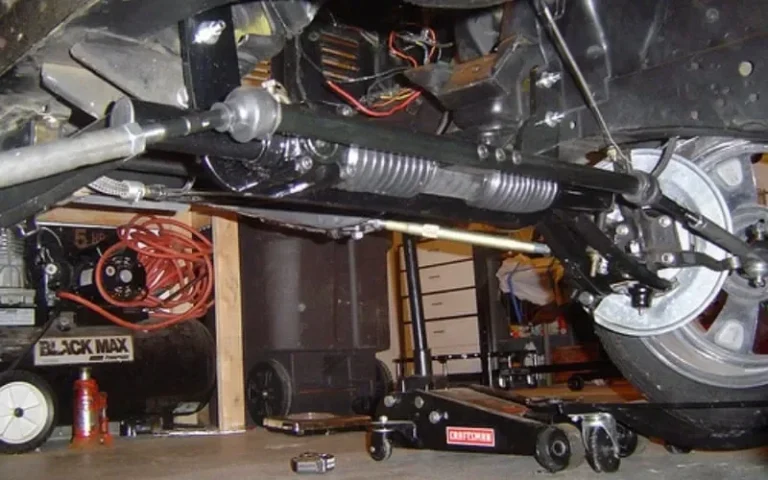
- Suspension & Steering – ride quality, clunks, alignment-related parts
- Radiator / Cooling – overheating fixes and cooling system costs
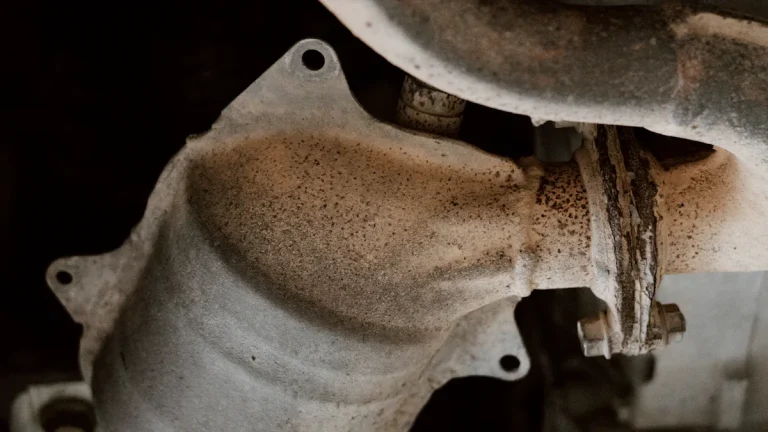
- Exhaust / Emissions – leaks and catalytic-converter related issues
- Body / Exterior / Door / Key – common non-engine repair scenarios
Featured Guides & Latest Blog Posts
















What You’ll Get in Each Guide
Every guide is designed to answer the questions people actually type into Google:
- Typical cost range (what most drivers pay)
- Parts vs. labor breakdown (why the bill changes)
- What affects the price (year/trim, location, shop rates, OEM vs aftermarket)
- DIY vs. professional (when it’s realistic—and when it’s risky)
- Symptoms & quick checks (so you can describe the problem accurately)
- FAQs and next steps
Example: our AC compressor cost guides include labor and parts ranges and explain why the final total varies by model and shop rate.
Diagrams & Part Locations (for DIY + faster diagnosis)
Not sure where a component is—or how a belt routes?
Car Costing Diagrams help you visualize:
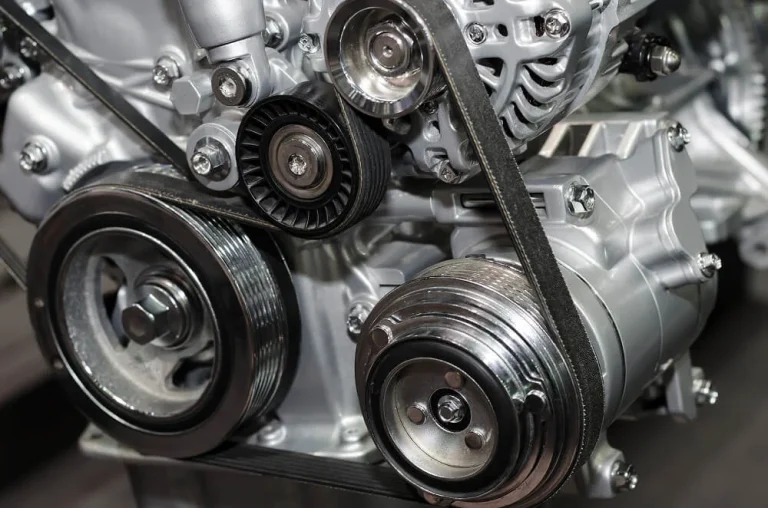
- Serpentine belt routing (with/without AC)
- Engine component layouts
- Common sensor locations (like MAF)
- Basic wiring and connection diagrams
These visual guides are ideal when you’re replacing a belt, locating parts, or double-checking a repair step before you start.
How to Use Car Costing (3 steps)
- Pick your issue (e.g., brakes, AC, battery, transmission)
- Match your vehicle (brand/model/year when available)
- Compare your estimate to real quotes and decide: DIY, independent shop, or dealer
Money-Saving Tips (without cutting corners)
- Ask for itemized quotes (parts, labor hours, shop fees)
- Compare OEM vs aftermarket pricing and warranty terms
- Confirm whether related items should be replaced together (belts, fluids, gaskets)
- Fix small issues early to avoid “cascade” repairs (leaks → bigger failures)
FAQ
1) Are these repair costs exact?
No—prices vary by location, shop rate, vehicle year/trim, and parts choice. Use our ranges to plan and compare quotes.
2) Why is labor such a big part of the bill?
Some repairs require significant disassembly, specialized tools, or calibrations—labor time is often the biggest variable.
3) Should I go to a dealer or an independent shop?
Dealers may cost more but can be best for warranty/complex jobs. Independents can offer better value—compare quotes either way.
4) Can I do this repair myself?
Many guides include DIY considerations. If the job involves refrigerant, airbags, advanced electronics, or safety-critical systems, professional help is often safer.
5) Do you cover diagrams and part locations too?
Yes—our diagrams section helps with belt routing, layouts, and component locations.
6) What should I tell a mechanic to get a better quote?
Share symptoms, any warning lights, and what you’ve observed. Mention if you want OEM or aftermarket parts and ask for an itemized estimate.